
DATS-HITS
The Solution to Your Hammer Impact Test Needs
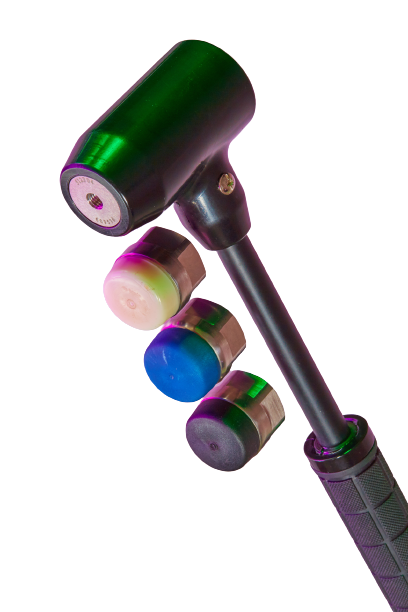
An impact test, also known as a bump test, tap test, or hammer resonance test, involves the use of an instrumented force hammer to excite a structure in order to measure the response with an accelerometer. Prosig's DATS-HITS software and hardware stand among the most reliable and efficient technologies available today, designed to help you capture, analyze, and interpret high-quality data from structural impact tests. Whether you are an engineer, technician, student, or a curious enthusiast, the software walks you through each step of the process, ensuring you can carry out this intricate procedure with precision and ease. From setting up your hardware for optimum data capture, to using the DATS software suite for in-depth analysis and interpretation, the step-by-step process simplifies the complexities of the Hammer Impact Test. Understand the key principles of structural dynamics, learn to identify resonant frequencies, and gain insight into how structures respond to external forces. No matter your previous experience or current understanding, the DATS-HITS will empower you with the knowledge and skills to confidently conduct your own hammer impact tests. Start your journey here, where measurement meets simplicity.
Find Out More
Drop your email address in box and hit the button and we'll help you discover the perfect setup for your application
Key Benefits
Easy setup
The DATS-HITS software leads the user, step-by-step, through the setup and test process reducing errors & retests.
Simple & Fast
The simple setup process and automatic processing means that accurate, reliable results are produced quickly and easily.
Power & Depth
The DATS software integrates with all of the hardware options and blends ease of use with sophistication for experienced users
Knowledge
We made our HITS system to help us in our consultancy work so the hardware & software is designed around real world needs
Features
4 channels upwards
HITS uses a 4-channel DATS-solo. It can be expanded for more complex tests using other DATS platforms.
We do the clever bit
The complex mathematics of windowing, transfer function type, frequency range is all taken care of for you.
Data export included
Do you need to export test results to Word or Excel for FEA validation? No problem. It’s all included.
Simple USB power
Simply plug the DATS-solo into the USB port on your laptop or PC. No need to connect any extra power sources.
Optional sensors
Either use sensors you already have or we can supply accelerometers and hammers as part of your system.
Prosync
Prosync synchronisation means that every sample on every channel is perfectly synchronised.
An Impact Test - See How It's Done
Watch the system in action
Welcome to your comprehensive guide on performing a Hammer Impact Test using Prosig’s DATS-HITS system. Designed for engineers, technicians, students, and enthusiasts, our step-by-step guide simplifies the complexities of the procedure. From setting up your Prosig hardware to analyzing data with the DATS software, we empower you to conduct your own tests. Dive in to understand structural dynamics, identify resonant frequencies, and explore how structures respond to external forces.
Fully Integrated Measurement & Analysis
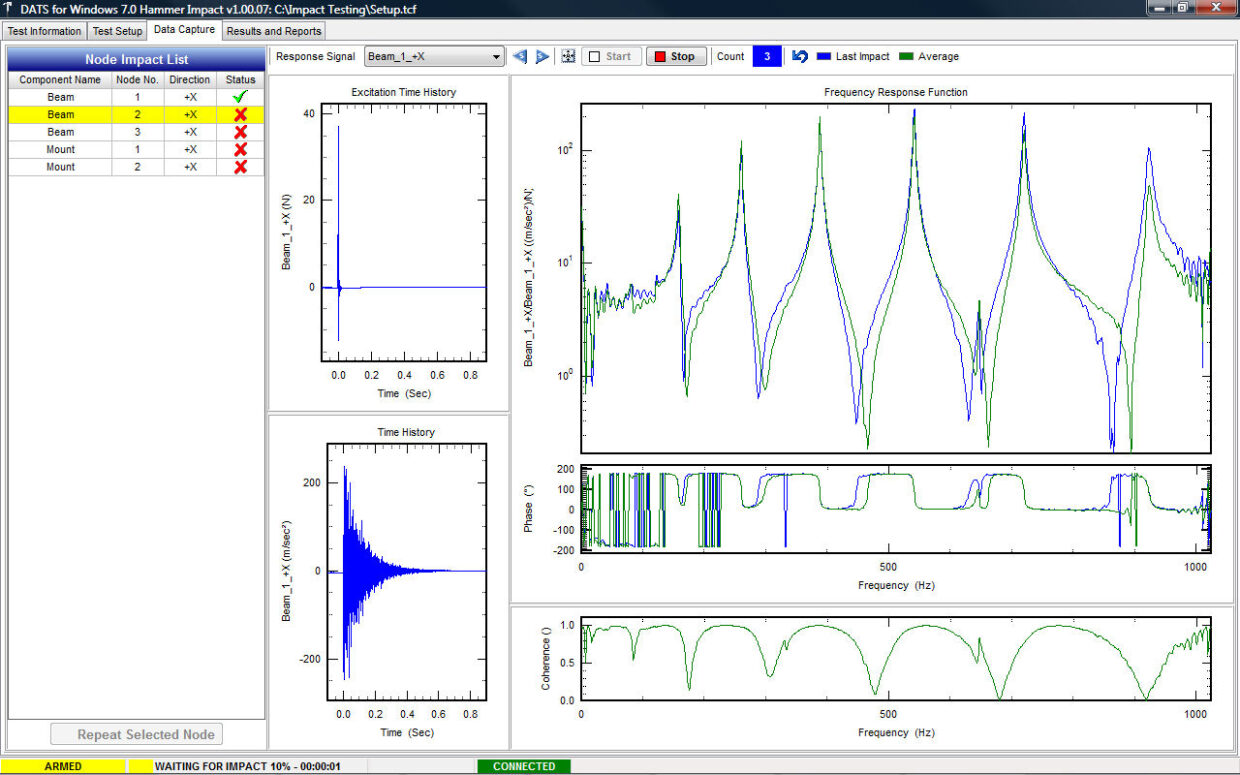
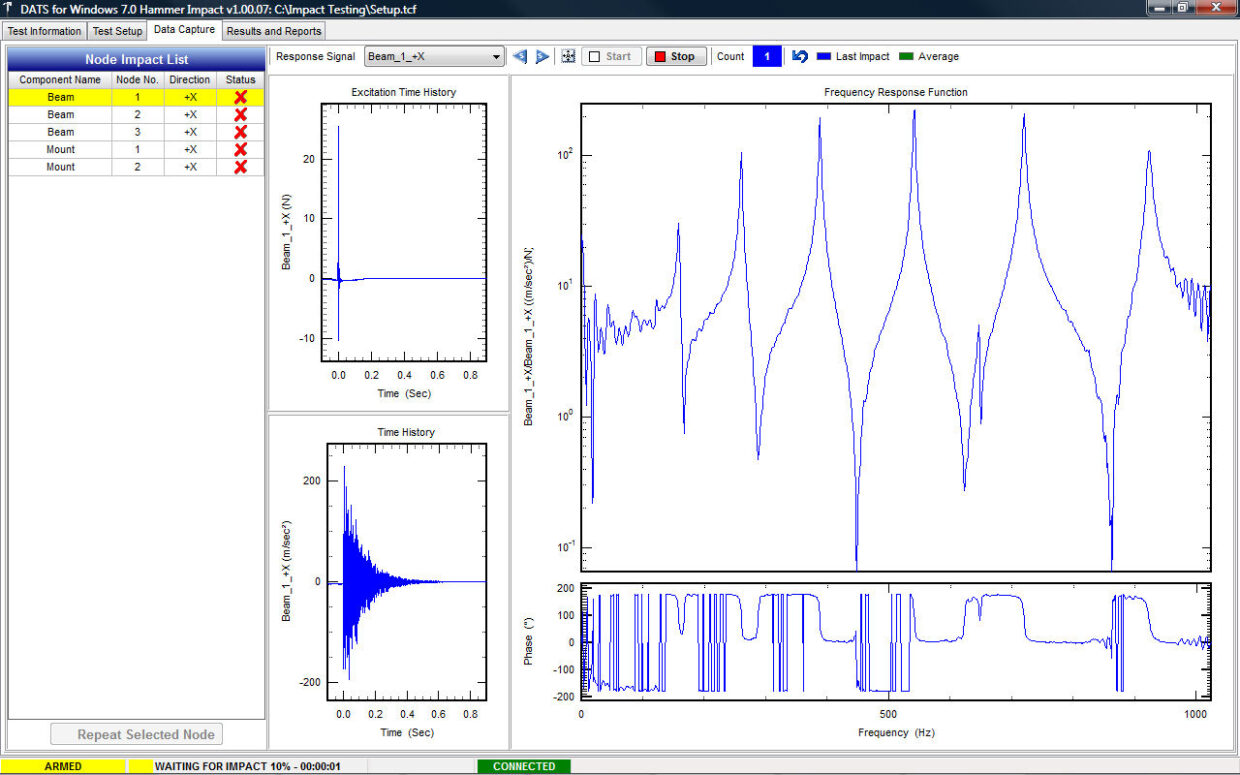
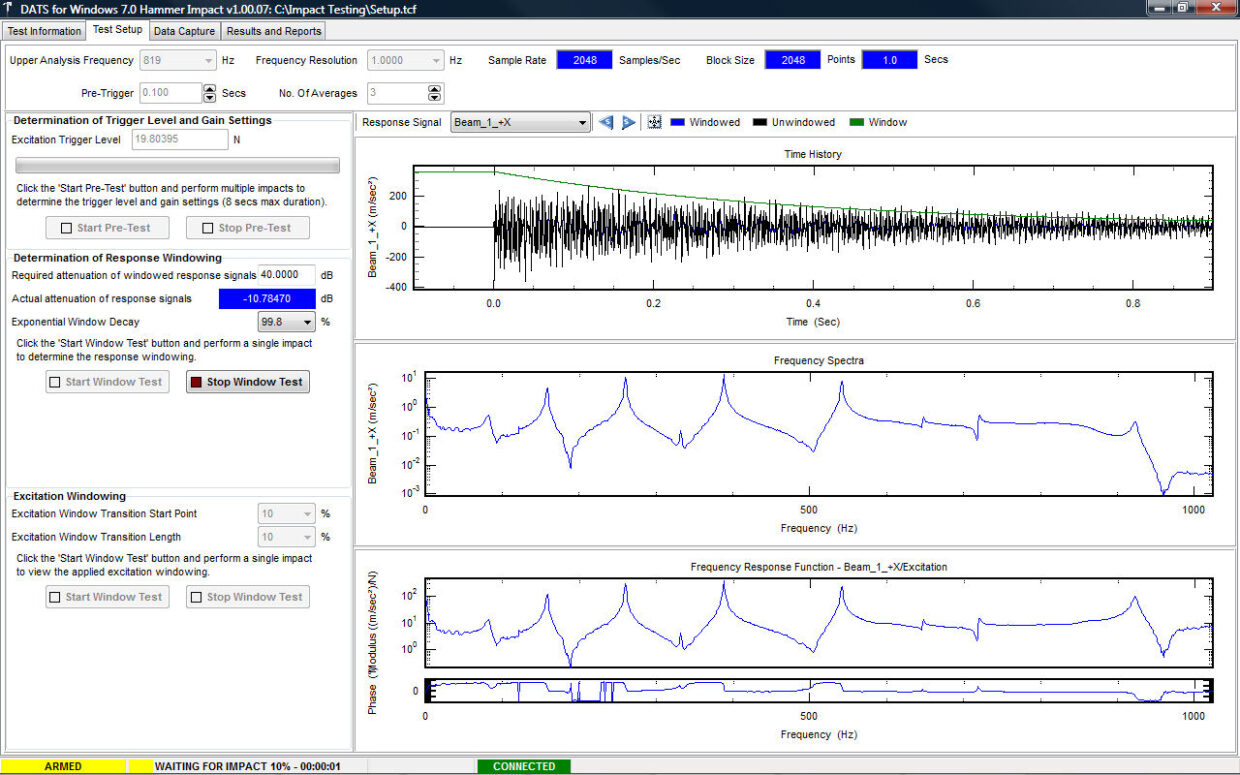
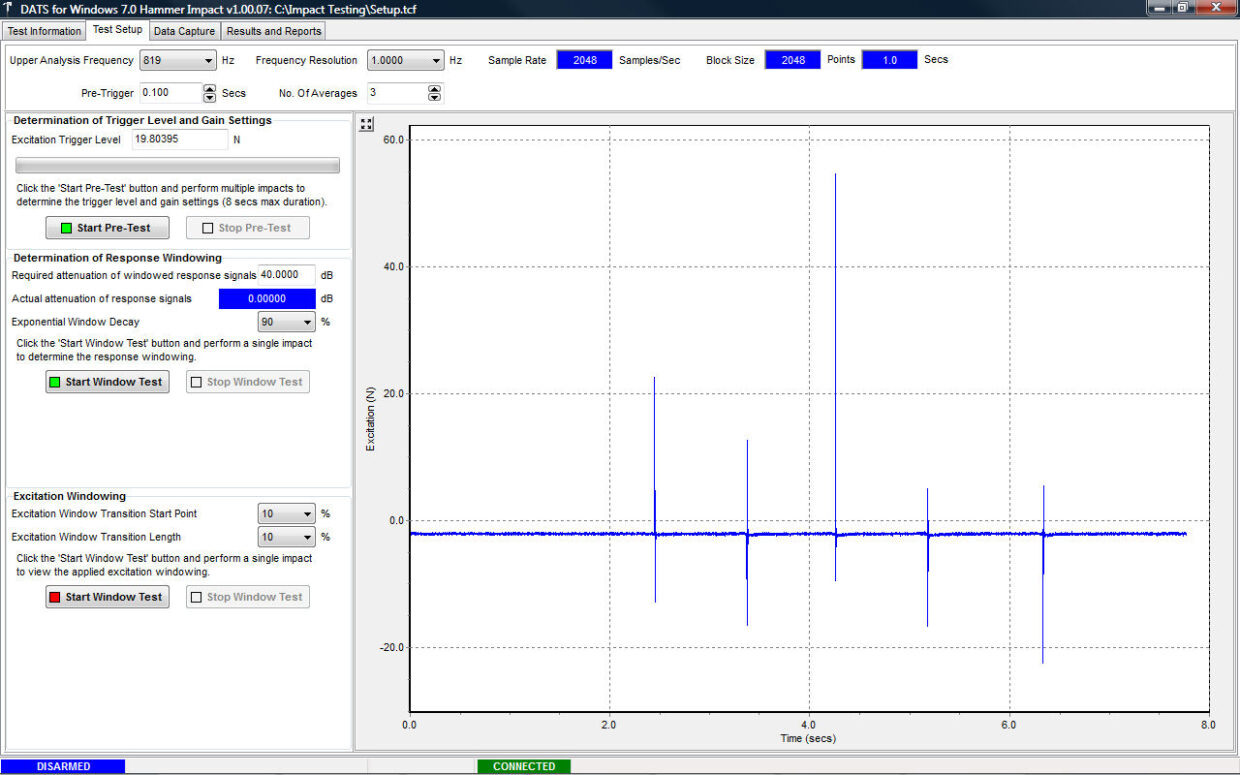

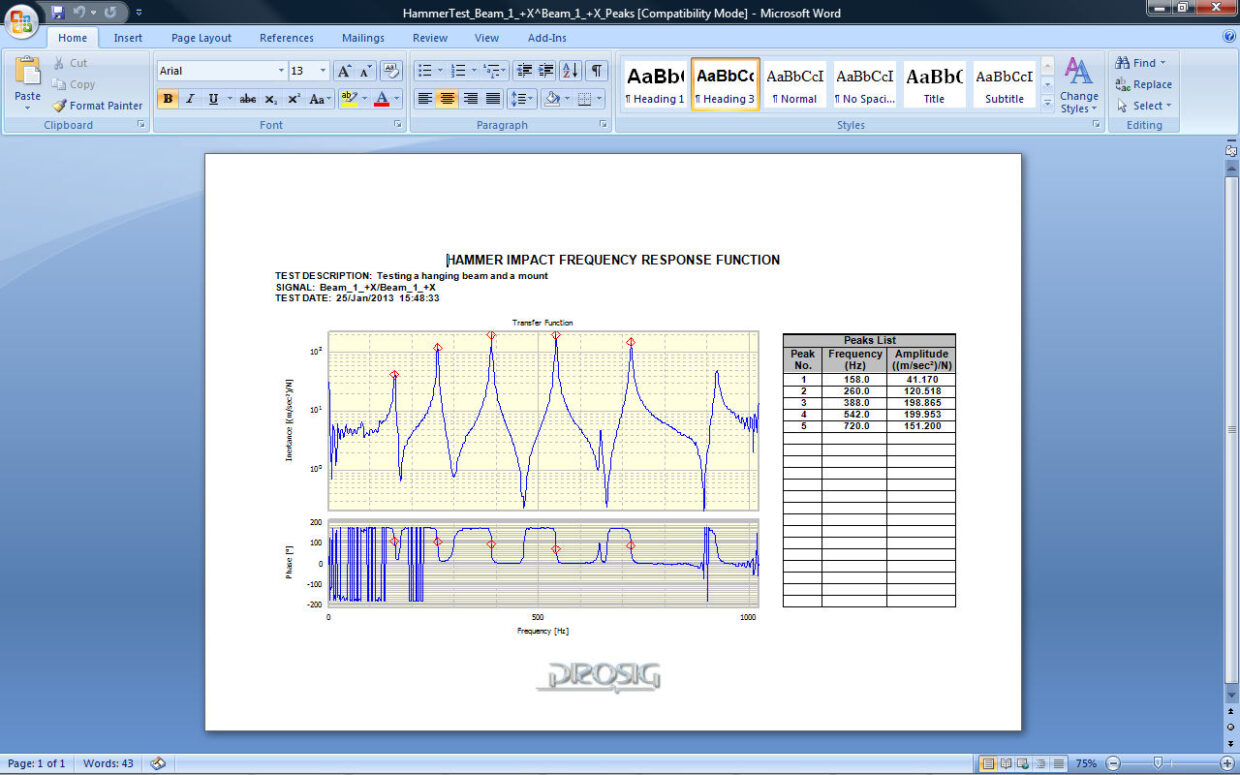
Datasheet Downloads - Impact Test with HITS

Download Your Free Handbook
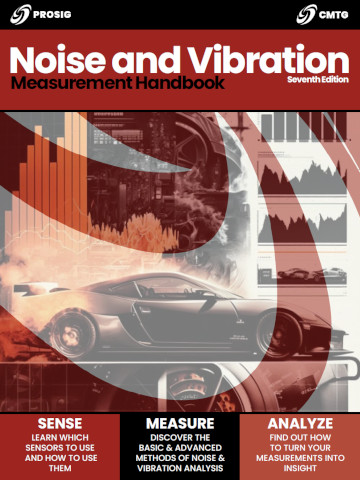
Please use the button below to download your copy of Prosig’s ever-popular Noise & Vibration Measurement Handbook. This is the new 7th Edition and it is packed with even more articles, case studies, tutorials and how-to’s on every aspect of noise & vibration measurement from sensors to analysis and reporting.
Something To Ask?
Send us a quick question. If you have a longer query you can find out how to contact us or send a longer message here